

A Beginner's Guide to Keeping a Nature Journal
Why Slow Down with a Notebook?
Most of us spend our days moving quickly past the natural world without really seeing it. A nature journal is a gentle remedy. It asks nothing more than a few minutes of your attention, a pencil and somewhere to sit. You do not need to be a talented artist, a knowledgeable birder or even particularly outdoorsy. You simply need to notice, and then write down what you noticed.
The real magic comes from returning to the same spot again and again. Choose a patch of park, a stretch of canal towpath, a corner of your garden or a familiar walk on the edge of town. Visit it once a week, ideally at roughly the same time, and record what you find. Within a month you will have a small, personal record of a place quietly changing around you.
What You Actually Need
Keeping it simple matters, especially at the start. A cheap notebook and a biro will do perfectly well. Fancy watercolour sets and leather-bound journals can come later, if at all.
- A notebook that fits in a coat pocket, so you actually carry it.
- A pencil or waterproof pen — ink can run in a British drizzle.
- A warm layer and decent footwear, because standing still makes you colder than walking does.
- Your phone for the time, the temperature and perhaps a photograph you can sketch from later.
That is genuinely it. Resist the urge to buy specialist kit until you know the habit has stuck.
What to Write Down Each Week
A journal becomes far more useful when you ask the same questions every visit. It turns a random scribble into something you can compare week to week. Start with these basics.
- The date and time of your visit, plus how long you stayed.
- The weather: temperature, cloud cover, wind, whether it rained. A simple "mild, grey, still" is plenty.
- The light: was it soft and flat, bright and hard, or fading towards dusk?
- Birdsong: not species names necessarily, but what you heard. Loud and busy? Quiet? Just a lone robin?
- Colour: leaves, flowers, berries, bare branches, the tint of the sky.
- Anything that surprised you: a fox, a buzzard overhead, fresh molehills, a puddle that has appeared.
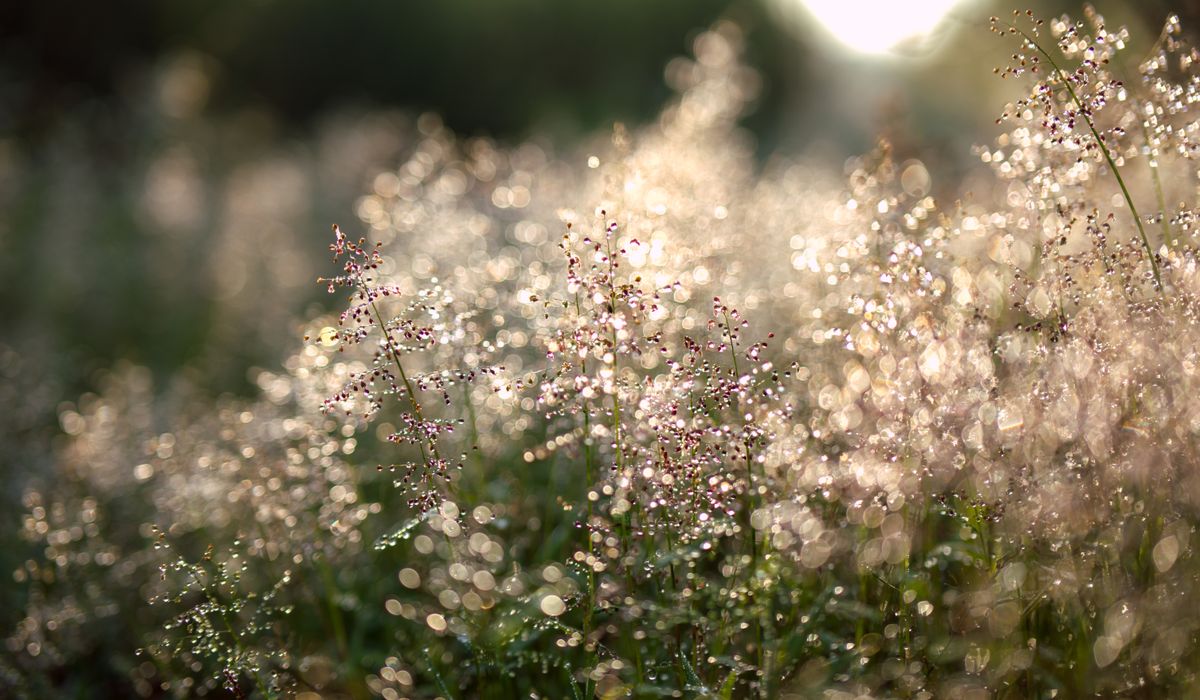
- One detail you would otherwise have missed: the smell of damp earth, a spider's web strung with dew, the sound of a wood pigeon.
Write in plain language. Nobody is marking this. If you can manage a rough sketch alongside the words, wonderful, but a written note is just as valuable.
Noticing the Turning Year
Britain's seasons are wonderfully gradual, and a weekly journal makes that slowness visible. You begin to catch the small hinge moments that usually pass unnoticed.
In late winter, note the first hazel catkins and the drumming of a great spotted woodpecker. By March, chiffchaffs arrive and the blackthorn blossoms before its leaves appear. Spring brings a rising chorus at dawn, each week louder and more layered than the last. Come summer, the birdsong thins out as territories are settled, and the hedgerows fill with elderflower and later with dark berries.
Autumn is where a journal really earns its keep. Record the colour of a single tree each week — a horse chestnut or a sycamore — and watch the green fade through yellow to rust before the leaves drop. Note when the first frost arrives, when the swallows leave, when the last wasp disappears. Winter rewards patience too: bare branches reveal nests you never knew were there, and frost turns familiar paths into something new.
Keeping the Habit Going
The hardest part is simply returning. A few gentle tricks help.
- Attach the visit to something you already do, such as a Saturday morning coffee or the school run.
- Set a minimum of five minutes. On a grim day, that is enough.
- Keep the notebook visible by the door or in your bag, not buried in a drawer.
- Do not chase perfection. A messy page with three words on it still counts.
- Reread past entries occasionally. This is where the pleasure really lies.
Slow living is not about doing less for its own sake. It is about giving your attention to something small, ordinary and real. A nature journal does exactly that, one quiet visit at a time.


Morning Rituals
-
Use purple sprouting broccoli, wild garlic and rhubarb in simple dishes that celebrate the first fresh growth of the year.


Slow Living




-

Long established fact that a reader will be distracted
-

Long established fact that a reader will be distracted
-

Long established fact that a reader will be distracted


Nature Journal
Karla Gleichauf
12 May 2017 at 05:28 pm
On the other hand, we denounce with righteous indignation and dislike men who are so beguiled and demoralized by the charms of pleasure of the moment
M Shyamalan
12 May 2017 at 05:28 pm
On the other hand, we denounce with righteous indignation and dislike men who are so beguiled and demoralized by the charms of pleasure of the moment
Liz Montano
12 May 2017 at 05:28 pm
On the other hand, we denounce with righteous indignation and dislike men who are so beguiled and demoralized by the charms of pleasure of the moment