

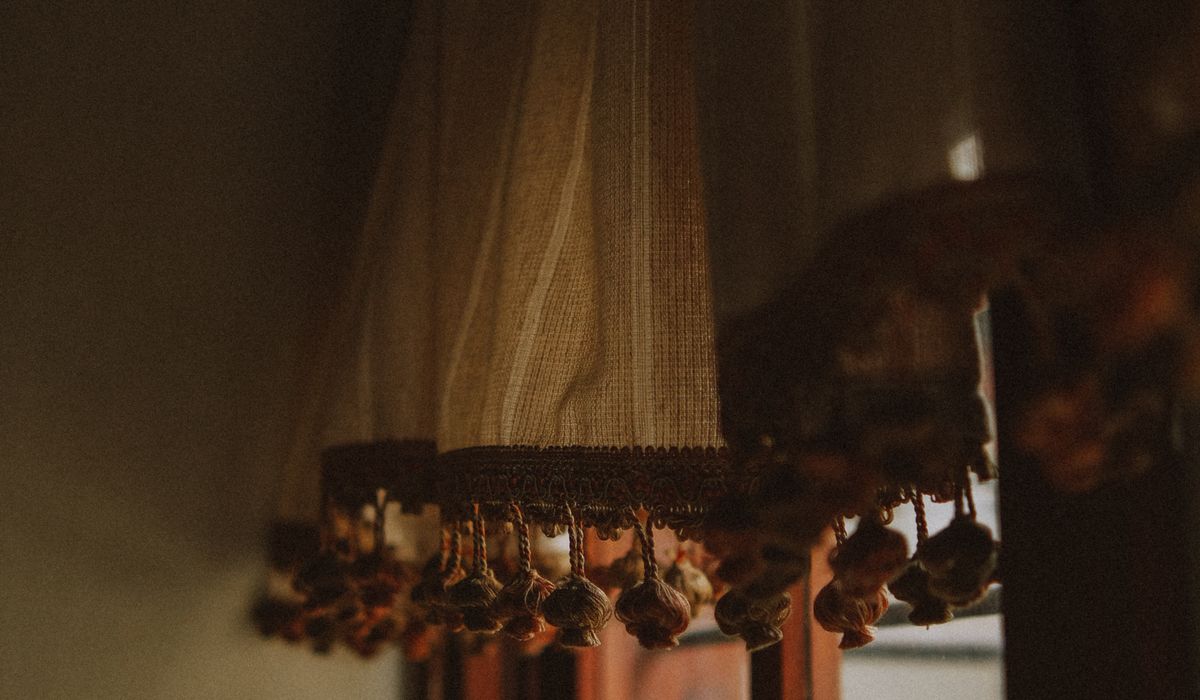
Building a Cosy Reading Corner by the Window
Begin with the window’s natural light
Before you move a single cushion, spend a day noticing how the light falls through your window. In Britain, a north-facing window gives you soft, steady light all day — perfect for reading without glare. A south-facing window is brighter and warmer, but you may need to angle your chair slightly to avoid direct sun in your eyes, especially in summer. East-facing windows offer gentle morning light, whilst west-facing ones bring a golden glow in the late afternoon. Watch where the shadows land at the times you are most likely to read. That patch of floor or corner of a sofa is your starting point. Slow living begins with paying attention to what is already there.
If your window is small or shaded by a hedge, don’t worry. You can still build a cosy corner. The key is to work with the light you have, not against it. A light-coloured wall or a simple linen blind will bounce softness around the space. And if you are lucky enough to look out onto a tree, a garden, or even a busy street with birds, that view becomes part of the reading experience. Nature connection doesn’t require a countryside cottage — a single rowan tree or a pair of squabbling sparrows outside a flat window will do.
Find a seat that holds you
The best reading corner has a chair or sofa you can sink into without feeling trapped. A second-hand armchair with a high back and padded arms is ideal. If space is tight, a footstool and a firm cushion on a window seat work beautifully. The seat should support your lower back and let your feet rest flat on the floor or on a small stool. Avoid anything too deep or too soft — you want to be able to get up for a cup of tea without a struggle.
Position the seat so you can glance out of the window without twisting your neck. A slight angle, perhaps fifteen degrees away from the glass, lets you look up from your book and see the weather, the leaves moving, or the light changing. That small pause is a form of nature connection. It reminds you that you are part of a wider world, not just a reader in a room. If you share your home, choose a time of day when the corner is yours — early morning, or the quiet hour after lunch.
Layer a soft blanket (and a hot water bottle)
British weather being what it is, a blanket is not a decoration — it is a necessity. Layer at least two: a lightweight cotton or linen throw for milder days, and a thicker wool or lambswool blanket for the colder months. A Welsh tapestry blanket or a simple tartan wool throw adds warmth and a bit of colour. Fold them over the back of the chair or drape them across the seat so they are easy to reach. The act of pulling a blanket over your knees is a small ritual that signals to your body that it is time to slow down.
For extra cosiness, keep a hot water bottle in a knitted cover nearby. On a chilly afternoon, fill it, tuck it behind your lower back, and you will find that you read for longer without noticing the cold. A pair of soft socks or slippers also helps. The goal is not to create a perfect interior — it is to make a place where you can stay still for twenty minutes without fidgeting. That stillness is where slow living takes root.
Adjust a lamp for warm, low light
Overhead lighting is the enemy of a cosy reading corner. It flattens the space and makes everything feel clinical. Instead, use a single floor lamp or a small table lamp with a linen or paper shade. Choose a bulb with a warm colour temperature — around 2700K — and keep the wattage low. A dimmable bulb or a simple inline dimmer switch lets you adjust the light as the afternoon fades. The lamp should sit to one side of your chair, slightly behind your shoulder, so the light falls onto the page without shining in your eyes.
If you can, avoid using the lamp until the natural light has truly gone. Read by the window for as long as possible, then switch on the warm glow. This gradual transition mirrors the setting sun and helps your body wind down for the evening. A small candle in a glass jar, lit for the last half hour of reading, adds a flickering warmth that no electric bulb can match. Just keep it away from the blanket.
Keep a small shelf for books you return to often
You do not need a floor-to-ceiling library. A single shelf within arm’s reach is enough — a wooden board on two brackets, a small crate turned on its side, or the top of a low chest of drawers. On it, keep only the books you actually re-read: a favourite poetry collection, a nature diary, a well-thumbed novel, a guide to birds or wildflowers. Rotate them with the seasons. In spring, add a book about nesting birds; in autumn, a volume of essays on walking and weather.
This shelf is not for display. It is for return. Each time you pick up a book you have read before, you notice something new. That is the quiet pleasure of slow reading. Leave a small gap on the shelf for a notebook and a pencil. Jot down one line about the light, the bird you saw, or the way the rain sounded against the glass. Over time, that notebook becomes a record of your own nature connection — a map of small, ordinary afternoons.
Invite nature in through the glass
Your window is a frame for the living world. To strengthen that connection, place a small bird feeder on the outside sill or hang one from a bracket. Even a single feeder will bring blue tits, robins, and the occasional cheeky squirrel. Keep a pair of binoculars on the shelf, not hidden away in a cupboard. A window box of hardy herbs — rosemary, thyme, lavender — gives you scent and movement without needing a garden. In winter, when the days are short, a simple vase of holly or ivy cuttings brings green life indoors.
Finally, protect this corner from the noise of the digital world. Leave your phone in another room. If you must have it nearby, turn it face down and switch off notifications. The point of a cosy reading corner is not productivity. It is permission to do nothing much at all — to watch a blackbird turn over leaves, to feel the wool of a blanket under your fingers, to read the same paragraph three times because you are not in a hurry. That is slow living, and it starts by the window.


Morning Rituals
-
Choose cheeses, salad leaves and berries from nearby markets, then pack reusable plates and a flask of tea.


Slow Living




-

Long established fact that a reader will be distracted
-

Long established fact that a reader will be distracted
-

Long established fact that a reader will be distracted


Nature Journal
Karla Gleichauf
12 May 2017 at 05:28 pm
On the other hand, we denounce with righteous indignation and dislike men who are so beguiled and demoralized by the charms of pleasure of the moment
M Shyamalan
12 May 2017 at 05:28 pm
On the other hand, we denounce with righteous indignation and dislike men who are so beguiled and demoralized by the charms of pleasure of the moment
Liz Montano
12 May 2017 at 05:28 pm
On the other hand, we denounce with righteous indignation and dislike men who are so beguiled and demoralized by the charms of pleasure of the moment