

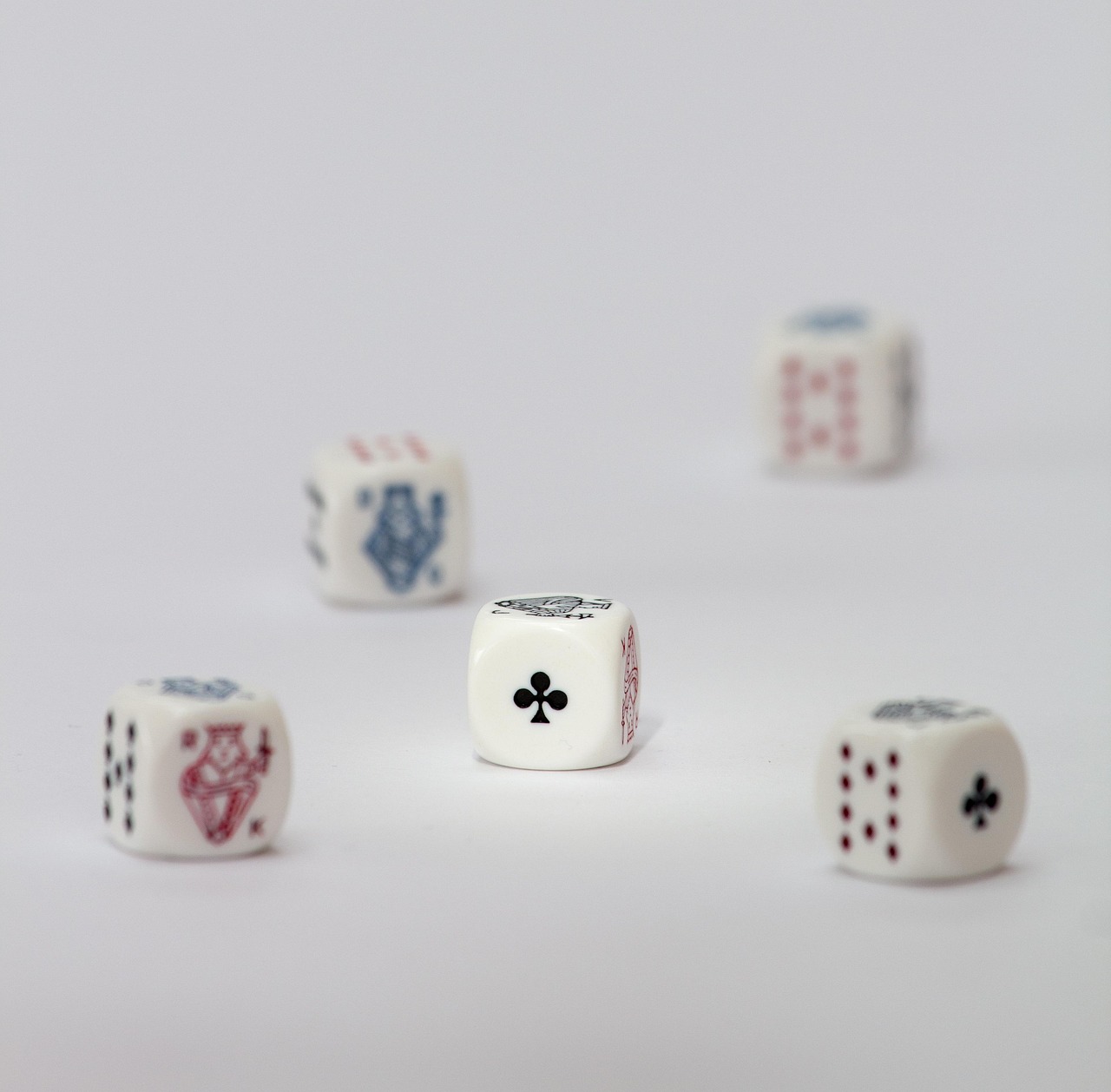
Slots, Poker and the House Edge: A Bettor's Reality Check
Twenty dollars. That's what most people lose the first time they sit at a real casino table — a round number they'll remember for years because it taught them something no odds chart could. The house doesn't win because it's lucky. It wins because the math is built in its favor, slowly, quietly, one decision at a time. Understanding how that math actually works is the difference between a person who gambles and a person who bets.
This piece isn't going to promise you a system or sell you a dream. It's a working guide to how iGaming really functions — slots, table games, poker, sports betting — and where a smart player can actually find an edge. Take a look at keonhacaii5.com.co for a fuller picture.
The House Edge Is Not a Myth — It's a Business Model
Every casino game has a built-in mathematical advantage for the operator. It's called the house edge, and it's expressed as a percentage of every dollar wagered that the casino expects to keep over the long run.
- Blackjack (basic strategy): roughly 0.5% house edge
- Baccarat (banker bet): about 1.06%
- European roulette, single zero: 2.7%
- American roulette, double zero: 5.26%
- Slots: usually between 2% and 10%, depending on the machine
- Keno: often 25% or higher
Look at those numbers again. That's not a subtle difference — it's the whole game. A player who spends a weekend on blackjack is playing a completely different financial sport than someone feeding the same bankroll into keno.
The reason the edge matters more than any single win is volume. Casinos don't need you to lose tonight. They need you to keep playing. Time multiplied by bet size multiplied by house edge is the only equation that actually determines whether you leave up or down. Everything else is short-term noise.
Slots: Where Most of the Money Actually Goes
Slots run somewhere between 70% and 85% of casino floor revenue in most regulated markets. That's not an accident. They're fast, they're solitary, and they require zero skill — which means the house edge applies on every single spin without any player mitigation.
A few things that are worth knowing:
- RTP, or return to player, is the long-run percentage of money returned to players. A 96% RTP slot keeps 4 cents for every dollar cycled through it. Over a thousand spins at $1 each, that's roughly $40 in theoretical loss.
- Volatility matters as much as RTP. A high-volatility slot might pay out rarely but in huge chunks. Low-volatility slots pay frequently but small. Both can have the same RTP — but the experience is completely different.
- Jackpot slots usually have a lower base RTP because a slice goes into the progressive pool. You're not playing a worse game overall; you're buying a lottery ticket dressed as a slot spin.
- Bonus buys are a shortcut into the feature round — usually at a premium that reflects the theoretical cost of getting there organically. Not a bargain, just a convenience with a mark-up baked in.
If you're going to play slots, treat the RTP list like a calorie label. Nobody's checking your math, but the players with a plan tend to last longer than the ones hitting the spin button like it owes them rent.
Poker: The One Game Where You're Not Playing the House
Poker is genuinely different, and that's why it draws a certain kind of person. In cash games you're not betting against the casino — you're betting against other players. The house takes a rake, usually 5% to 10% of each pot, capped at a few dollars, and then gets out of the way.
That single structural difference changes everything. A skilled poker player can win year after year against weaker opponents, even after rake. Nobody beats the house at blackjack long-term. But amateurs get crushed at the poker table every single day by players who simply understand position, range and pot odds better than they do.
The three habits that separate winning poker players from break-even ones:
- Play tighter from early position. Little makes you look more like an amateur than limping in with Q-7 offsuit from under the gun.
- Stop results-thinking. Short-term outcomes are noise. A decision is good or bad based on the information available when you made it, not the river card.
- Track your results. A spreadsheet sounds boring until you realise it's the only honest feedback loop in the game.
The rake still matters. In low-stakes live games it can absolutely eat up a decent edge. But in online poker, where rake is often lower and volume is higher, disciplined players can still build a real win rate.
Betting: Where Information and Discipline Beat Luck
Sports betting is often described as gambling, but the deeper you look, the more it resembles an investment where you occasionally lose interest to variance. Bookmakers price markets using probabilities, and their margin — the vig or juice — is their built-in profit. A standard spread line prices both sides at -110, which implies roughly a 52.4% break-even rate. That 2.4% is the operator's edge.
Beating that edge consistently is brutally hard, but not impossible. The bettors who win are not the ones who cheer for their team. They're the ones who spot mispriced lines — often because a book has a stale price, because a sharp book and a soft book disagree, or because a public market overreacts to news.
Three things matter more than tipsters:
- Line shopping. Getting the best available price consistently across books adds more to your bottom line than almost any other single habit.
- Closing line value. If you routinely beat the closing line, you're almost certainly a long-term winner, regardless of short-term luck.
- Bankroll discipline. Flat stakes or small percentage-based stakes. Chase no losses. Ever.
The gap between a public bettor and a profitable one is mostly administrative: better information, better prices, better record-keeping.
The Honest Bottom Line
There's an odd comfort in recognising the machine for what it is. The casino doesn't hate you. It doesn't want to hurt you. It simply has a mathematical engine that runs on volume and edge, and it is patient enough to wait for both.
That doesn't mean iGaming is a bad idea. It means treating it for what it is: an entertainment product with a cost, occasionally offset by winnings, always shaped by probability. If you play slots, follow the RTP. If you play poker, follow the discipline. If you bet sports, follow the line. And whatever you play — track it, cap it, and don't confuse a good night with a good strategy.
The house always wins. But you don't have to lose without knowing why.


Morning Rituals
-
Record weather, birdsong and leaf colour in a simple notebook, then return to the same spot each week to notice changes.


Slow Living




-

Long established fact that a reader will be distracted
-

Long established fact that a reader will be distracted
-

Long established fact that a reader will be distracted


Nature Journal
Karla Gleichauf
12 May 2017 at 05:28 pm
On the other hand, we denounce with righteous indignation and dislike men who are so beguiled and demoralized by the charms of pleasure of the moment
M Shyamalan
12 May 2017 at 05:28 pm
On the other hand, we denounce with righteous indignation and dislike men who are so beguiled and demoralized by the charms of pleasure of the moment
Liz Montano
12 May 2017 at 05:28 pm
On the other hand, we denounce with righteous indignation and dislike men who are so beguiled and demoralized by the charms of pleasure of the moment